


Typhoid, one of the classic infectious diseases afflicting humanity, is still a relatively common illness in many lower-income and middle-income countries (LMIC).1 The disease is associated with chronic fever that, if not treated, can lead to complications such as intestinal perforation or neurological problems.2
The diagnosis of typhoid is complicated because clinical presentation can be non-specific and can resemble a number of other diseases, such as malaria, typhus, and various viral infections. The current typhoid diagnostic kits are relatively unreliable, and microbial culture from blood or other bodily secretions of the main bacterial aetiological agents Salmonella enterica serotype Typhi and S enterica serotype Paratyphi A remains the gold standard.3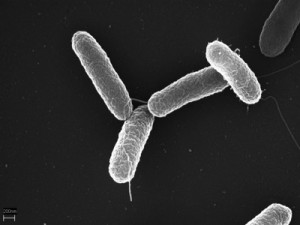
Microbial culture requires the availability of adequate laboratory facilities, including blood and microbial culture equipment, and appropriate bacteriological expertise. Unfortunately, these are not always present in LMIC settings and the incidence of typhoid in many regions, particularly Africa, remains relatively undefined.
Nevertheless, more than 20 million cases of typhoid have been estimated globally, most of which are caused by S Typhi, with between 200 000 and 600 000 deaths.However, the estimates are compromised by limited epidemiological information and restricted geographical coverage, as well as the problems with diagnosis.
Interest in typhoid has increased in recent years, driven by a number of factors. Multidrug resistance has been increasingly reported as a characteristic of S Typhi isolated in the past decade and from different parts of the globe.
<
p class= » »>See: Typhoid in Africa and vaccine deployment
Although there is historical evidence that typhoid has been established in south and southeast Asia for decades, there have been increasing reports of typhoid in different African countries, potentially associated with multidrug resistance.
By P.B


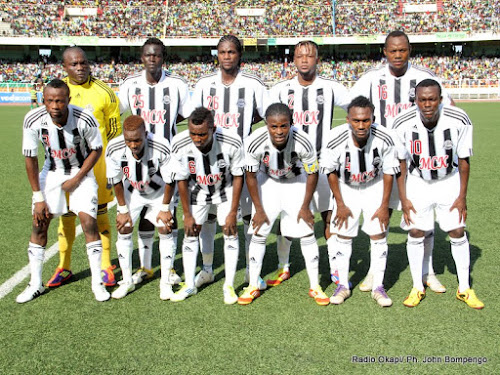
 Mamelodi Sundowns FC de Pretoria a pris le dessus.Ce 18 février 2017,les Sud-africains ont clairement dominé les Lushois.L’expérience des vainqueurs congolais de la Ligue des Champions ne les ont pas perturbés.
 Les « Brasilians » rapportent ce beau titre en Afrique du Sud,pays l’Arc-en-ciel.Entre temps,le TP Mazembe pense résolument à l’année prochaine…

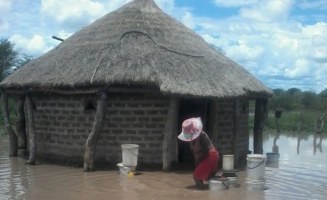
 Depuis le 15 février,c’est la catastrophe au Mozambique.Le vent soufflait à une vitesse infernale de 130 km/h.Rien ne lui résistait.Pire encore,il était accompagné d’une colonne de sables de 6 mètres de hauteur et beaucoup de tonnerre.



 Iyi kipe ya Wau Salam ivuyemo rugikubita.N’ubwo bari babukereye,abakinnyi bayo bisubiriye iwabo muri Sudani y’Epfo ntawe utsinze igitego na kimwe.Nibitahire amahoro muri icyo gihugu kikirimo intambara.
 Naho iyi kipe yiyambarira ubururu n’umweru,igisigaye ni ukwerekana koko ko ikiri Gikundiro.Abafana bayitegereje ku mukino utaha wo muri Mali.Kuba ikinisha Moussa Camara uvuka muri iki gihugu ntibizabe impamvu yo gutsindwa cyangwa gusezererwa.Ubwo umutoza Masudi Djuma arabyumva…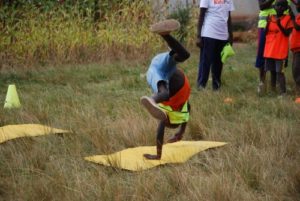






 L’Académie de la langue latine(voulue par Benoit XVI) a dû ou devra créer de nouveaux concepts ou les adapter à son usage.A la suite de Jean Paul II,les évêques et le pape se mettent à l’école des « tisserands ».Ils ne peuvent plus éviter la toile,en utilisant tablettes ou ordinateurs,pour ne pas dire Internet.




 kubahonet.com
Vous devez être connecté pour poster un commentaire.