Iryavuzwe riratashye:Amavubi bayahunguye amababa!

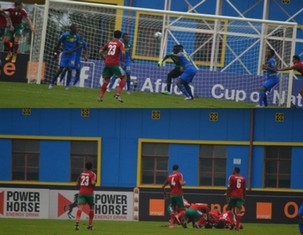
Ubushize twese twishimiye uko Amavubi yivunnye Inzovu za Côte d’Ivoire.Bwarakeye,imboli zayo azinjiza no mu Nsamagwe(Les Panthères) za Gabon.None iryavuzwe riratashye: « Ntawe ushima umwana ngo arenze kabiri ».Umutontomo w’Intare za Atlas(Lions d’Atlas de Maroc) zayahungese, amababa arahunguka! Ibitego 4 kuri 1 ni isomo muri ruhago.

N’ubwo Intare umuhigo uziciye mu nzara(Maroke yasezerewe),n’Amavubi ntaho asigaye.Hari abavuga ko gutsindwa yabitewe n’uko imboli zari zayashizemo( nta byinshi yaharaniraga!).Abandi ngo birasanzwe ko imvura iyabuza kuguruka(kuko yari yaguye ari nyinshi muri Kigali).Ese ubutaha,amababa azaba yameze?

Amavubi arakina avamoAbaganga bayabe hafi,ubuzima budahagarira aho!Iyo kipe nihura na Cameroun,ntizabyina ivamo? Sindagura,ndagena!

Uwanyu muri aya marushanwa
Kamayirese Sandrine, Kigali

Amavubi yadwingaguye Inzovu

Ukurikije uko umupira w’amaguru ukundwa kandi ugahuza abantu bose babukereye, byari bikwiye ko za Leta ziwushyigikira zimazeyo maze na za mpano zihishe kure mu biturage zikigaragaza.

Bari buzuye

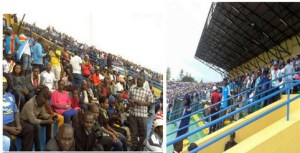
Mu mukino wa mbere wo gutangiza amarushanwa ya CHAN(y’abakinira imbere mu gihugu), u Rwanda(rwakiriye aya marushanwa)rwahuye na Cote d’Ivoire. Abantu muri Stade Amahoro bari nk’inzukira kuri iyi sabato(16/01/2016)na vuvuzela rugeretse.

Ntibyatinze, Amavubi adwingagura Inzovu, n’ubwo umutonzi wazo watumye uburyaryate butikuba kabiri. Umupira warangiye ari 1 kuri 0. Amavubi atashoboye kwinjiza penaliti ngo agire ibitego 2, azikura imbere ya Maroc?

RDC i Huye

Hagati aho, kuri iki cyumweru, Abazayirwa bihanije Etiyopia yaguhweho n’imvura y’ibitego nk’abari bibagiwe umutaka:3-0. Kubera iyo mpamvu, Stade Huye ya Butare yaranzwe n’akaruru k’ ibyishimo mu Lingala n’Igiswayili. Abanyarwanda bari batuje nk’abitegerezaga umukeba.

Abafana babukereye

Ukurikije uko umupira w’amaguru ukundwa kandi ugahuza abantu bose babukereye, byari bikwiye ko za Leta ziwushyigikira zimazeyo maze na za mpano zihishe kure mu biturage zikigaragaza.

Nibidukundira tuzabagezaho n’indi mikino.

Kamayirese Sandrine, Kigali

Gusangiza abandi ibyo ukora ntibyaba ari ukwigaragaza?

Hari ubwo ibyo abandi bakora tubibonamo uburyo bwo kwiyemera no kwigaragaza. Aho kubashyigikira tukabibasira.

Ibyo ni zero

Ntibyoroshye gutandukanya kwiyoroshya no kwirinda kwigaragaza. Umuco Nyarwanda ubigiramo uruhare. Hari ubwo ibyo abandi bakora tubibonamo uburyo bwo kwiyemera no kwigaragaza. Aho kubashyigikira tukabibasira. Ngo turakuzi. Abandi ngo ndagushinyitse…N’ibi ariko ntacyo bitwaye, iyaba bitaterwaga n’ishyari ritindi rituma uhindura zero ibyo abandi bakora.

Amasomo matagatifu yo kuri iki cyumweru, aradufasha kubona inzira ikwiye. Mu Ivanjili(Yoh 2,-11)hari ikintu Yezu yakoreye i Kana nuko abigishwa be baramwemera. Ibi bituma twibaza iki kibazo:gusangiza abandi ibyo ukora cyangwa uteganya gukora, si ukwigaragaza ndetse no kwiyemera?

Ku buryo bwumvikana, igisubizo twagisanga mu isomo rya kabiri(1Kor12,4-11):
« Bavandimwe, ingabire ziranyuranye, ariko Roho ni umwe; muri Kiliziya, kwitangira abandi biri kwinshi, ariko Nyagasani ni umwe; uburyo bwo gukora buri kwinshi, ariko Imana ni yo itunganya byose muri bose. Koko rero buri wese ahabwa kugaragaza ibyo Roho w’Imana amukoreramo, ngo bigirire akamaro bose.

Ku bwa Roho, umwe ahabwa kuvuga amagambo yuje ubushishozi, undi agahabwa kuvugana ubumenyi, muri uwo Roho nyine;umwe ahabwa ukwemera guhebuje abikesha uwo Roho, undi agahabwa ingabire yo gukiza abrwayi, na none muri uwo Roho nyine; umwe yegurirwa ububasha bwo gukora ibitangaza, undi akagabirwa guhanura; umwe ahabwa kurobanura ibiturutse ku Mana n’ibiyitambamiye, undi agahabwa kuvuga mu ndimi nyinshi, hakaba n’uhabwa kuzisobanura. Ariko ibyo byose bikorwa na Roho umwe rukumbi, ugabira buri wese uko abyishakiye »
Nimwishime munezerwe, abo Roho afasha kudapfukirana ingabire zagirira bose akamaro. Bityo ababishoboye dufatanye na Kizito Mihigo tuvuge ngo « wa Numa we ngwino »
https://www.youtube.com/watch?v=SU976kgqXpI&list=PLNqC62rD_RCZAMHzx5uNG2rEulF6OsBp3

P.B

LA MAISON DU NUMERIQUE D’AGOE LOGOPE au TOGO

[Ce texte nous est envoyé par MAREM Togo-France, Association à but non lucratif engagée dans la réinsertion des jeunes de la rue à travers deux centres de prise en charge au Togo. Le contenu et la démarche sont la responsabilité de l’auteur]

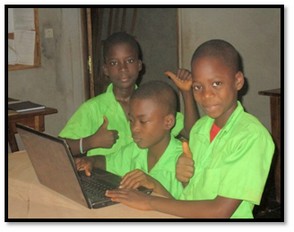
Maison du Numérique (MDN) a pour objectif principal de faciliter aux jeunes d’Agoè Logopé un accès à Internet,aux outils numériques, informatiques, et de promouvoir leur utilisation dans les domaines scolaire et associatif. Cet espace donnera aux jeunes étudiants du quartier la possibilité de s’initier au e-learning. https://www.youtube.com/watch?v=NgJ0ZQXlms4

Dès l’ouverture officielle de la MDN, l’équipe projet réalisera plusieurs séances de sensibilisation dans les écoles bénéficiaires, afin de faire découvrir, aux jeunes et aux enseignants, les atouts que représente la maîtrise de ces nouvelles technologies de l’information et de la communication (et les avantages de l’e-learning).

L’initiation et la formation des bénéficiaires aux outils informatiques est ainsi une des principales activités de notre projet (recherche sur Internet, réseaux sociaux, animation de blogs).

En outre, la MDN sera un espace dédié au renforcement des capacités des associations locales en communication numérique pour les aider à utiliser les outils les plus innovants permettant plus de visibilité de leurs actions et mobilisant plus de ressources (crowdfunding).

L’exécution et la gestion de ce projet sont confiées à notre équipe locale. Quant à sa pérennisation, elle est assurée par les frais d’abonnement à coût abordable pour tous, demandés aux usagers de la MDN.
ORIGINE DU PROJET

Depuis quelques années, est née l’idée d’un projet qui résoudrait les difficultés d’accès à Internet et aux services informatiques dans la zone où est implanté le siège social et administratif de l’association MAREM Togo et MAREM France.

Le but des responsables de cette association est de garantir une meilleure mise en œuvre de ses actions réalisées en faveur des jeunes, et de faire en sorte qu’elles répondent à un besoin social de toute la communauté, des établissements scolaires environnants et des jeunes pris en charge par MAREM Togo.

Ces responsables se sont rencontrés à Lomé en 2012 pour réfléchir sur les principaux projets d’avenir de l’organisation. Deux projets étaient sur la table : celui de création d’un centre agropastoral et celui d’une maison du numérique (accès à internet, traitement de texte, impressions, reprographie).

La situation préoccupante des enfants en matière d’éducation nous a conduits à opter pour le deuxième dont il faudra trouver des financements.
A quoi servira l’argent collecté ?
Maison du numérique 1La mobilisation en France autour de ce projet nous a déjà permis de rassembler une partie du budget total: 66 995 € (12000 € PRAOSIM/Ministère des Affaires Etrangères; 1500 € Mairie de Gentilly, MAREM France fera un apport de 9 000 €). Pour donner une vraie chance à ce projet de voir le jour en 2016 et couronner de succès nos efforts, nous avons encore besoin de vous.

Nous espérons collecter 1 500 € supplémentaires, ce qui sera un pas de plus vers la réalisation de notre projet. Le reste du budget sera couvert par des subventions publiques et privées.

Si vous voulez FAIRE UN DON EN LIGNE
https://www.helloasso.com/associations/marem-france/collectes/la-maison-numerique-d-agoe-2 . Notre collecte s’achèvera le 15 février 2016 sur cette plateforme sécurisée mais les gestes de solidarité continueront.
Pour plus d’informations sur MAREM France-Togo, vous pouvez consulter
http://www.maremvision.org
http://www.facebook.com/AssociationMarem
https://youtu.be/Kw0n1TTTsaQ

ou nous contacter par mail: infos@maremvision.org
par téléphone : 06 37 76 51 67
Merci pour votre générosité.

By Moisio A. Koffi KOUMONDJI

Ibyago byo kutagira amenyo y’urwererane

Amenyo atuma umubiri uba mwiza kuko afungurira inzira imyanya y’umubiri iri hirya y’ayo.Ni ngombwa kuyitaho.

Amenyo mabi

Bamwe batinya guseka kuko amenyo yabo yakikiye cyangwa yahinduse umuhondo nk’umuleti. N’iyo babikoze, abo bari kumwe bubika maso cyangwa bakareba hirya. Ni abibagiwe akamaro ko gushyira agati mu ryinyo.

Abazi gutebya bakemeza ko amenyo nk’ayo ari nka karuvati mbi ifunze nabi ku myenda myiza. Nanone ariko, na yo ari nziza, inafunze neza ku myenda mibi, nta njyana byagira. Aha ni ho abahanga bahera bemeza ko amenyo atuma umubiri uba mwiza kuko afungurira inzira imyanya y’umubiri iri hirya y’ayo. Ni ngombwa kuyitaho.

Amenyo y’urwererane nk’ay’Abanyafurika!

Amenyo y'Abanyafurika


Abantu benshi batangazwa no kubona Abirabura bafite amenyo y’urwererane. Bagashimishwa n’inseko ikurikiraho(sourire d’Afrique!). Ntibikwiye kugarukira aho.

Nk’uko Ikigo mpuzamahanga kita ku buzima(OMS) kibitangaza, 20% by’abantu bari mu kigero cy’imyaka 35-44 bugarijwe n’isuri y’amenyo(érosion dentaire)kuko ari ku manegeka agasa n’ahanamye cyangwa yanitse ku gasi(yarajemo imyobo).

Naho 30% by’abari hagati ya 65-74 nta menyo maremano bakigira. Ahatari gahunda z’amenyo y’amagurano basigaranye ibihanga. Ni babandi uha ibyo kurya ngo nta menyo bifitiye.

Isuku ikwiye amenyo

urwererane rw'amenyo

Azahorana amenyo y’urwererane wawundi uyoza nibura kabiri ku munsi(nyuma ya buri funguro)akoresheje uburoso n’umuti wabigenewe(nka kologate)atibagiwe n’agati ko guhaganyura hagati yayo(nka cure-dents)ngo na yo agire ubuhumekiro n’isuku iyakwiye.

P.B

Ntibazi niba umwaka uzashira bahaguruka cyangwa bagenda

Kwa Yezu Nyirimpuhwe

Hari abo inyandiko  » Quelle vie avec un handicap » yakoze ku mutima, bandikira uru rubuga. Bamwe ni ababa muri ubwo buzima, abandi bafite ababo butoroheye. Ubuhamya bwabo tuzagenda tububagezaho gahoro gahoro.

Reka duhere kuri ubu bwaturutse mu Ruhango. Umusomyi w’uru rubuga ubutugezaho yahuriye na ba nyir’ubwite mu isengesho ryo kwa Yezu Nyirimpuhwe.Yarabaganirije, asanga gusenga gusa bidahagije, yiyemeza kubabera intumwa. Tumutege amatwi kandi tubishyire ku muzirikanyi.

Abantu bari bakubise buzuye mu isengesho ryo gusabira abarwayi. Ubusanzwe riba buri cyumweru cya mbere cy’ukwezi kuri paruwasi gatolika ya Ruhango. Uku kwezi byari agatangaza kuko cyari icyumweru cya mbere cy’umwaka wa 2016, ukaba n’umunsi mukuru w’Ukwigaragaza kwa Nyagasani.

Jamila

Igihe cyo gusingiza no gusaba cyarageze, aho buri wese atanga icyifuzo. Mu gihe abandi babaga bazamuye amaboko bavuga cyane, Jamila Kubwayo yasengaga atuje, ahagaze adashinga n’ubwo yari afite imbago imwe.

Ni umukobwa mukuru rwose. Ubumuga bwaje afite imyaka 18. Yafashwe n’imbasa ahinamirana amaguru yombi mpaka bamutije ibyuma; yabihawe n’abagiraneza b’Abataliyani bamusanze mu bitaro amazemo umwaka n’amezi 9.

Kwiga byaradindiye, arangiza ayisumbuye abo batangiranye bamaze imyaka 7 bakora. Nanone, imyaka 2 ishira yicaye mu rugo, yarabuze akazi. Yaje kubona ikiraka ku mubosi wikorera ku giti cye. Hashize imyaka 3 avunika ava ku kazi, atakaza urukweto(rw’ibyuma) rw’ibumoso. Mu gihe yari kwa muganga, shebuja aramusezerera. None amaze umwaka n’amezi 6 atazi icyerekezo.

Nyuma y’isengesho namusuye aho ataha. Nasanze hagendeka nabi rwose. Yarakwiye akagare gakomeye. Numvise yizera Imana cyane, namukomeje agatima, nti « Nyagasani ntasubiriza rimwe, ariko arasubiza ».

Dominata

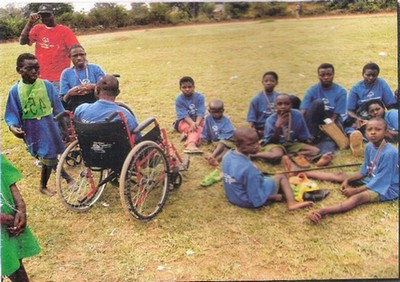
Ku rundi ruhande rwo hakurya, hari umwana wiyambariye Juru, ya uniforme y’abiga primaire. Udukayi yari yaturambitse hasi, ashyira imbago hejuru, na we arasenga. Naje kumwegera ambwira ko yitwa Dominata Murekatete.Ngo yasabaga Imana ko yamuha amaguru agororotse nk’ay’abandi, kuko ku ishuri bahora bamuseka.

Yari yaherekejwe na nyirakuru babana. Mubajije iby’imibereho yabo, yarasetse cyane ngo bitungiwe n’amasengesho. Ngo waba wabuze ibyo urya, ukajya kugura ibyuma n’amakayi!?Ngo Domina, Imana izamwimenyera!Abivuga aseka kandi ababaye. Nabonye ntacyo nabamarira, mbabaza niba bitababangamira ko amafoto yabo agera kure. Bati « Wabona Imana idusubirije muri abo bari kure ». Ni yo mpamvu mbandikiye ngo mutugereze ubu butumwa ku bandi basomyi. Murakoze.

Yari Sekabuke Asman, Kigali

Uwumva ubu butumwa haricyo ashoboye kubukoraho, yatwandikira kuri kubahonet@gmail.com tukamuhuza n’umwe muri bo(yihitiyemo) cyangwa bombi. Natwe tuzakurikiza iyi nama ya Pawulo Mutagatifu:« Utangana umutima mwiza ntagayirwa icyo adafite, ashimirwa icyo yatanze.« (2 Kor.8,12)

P.B

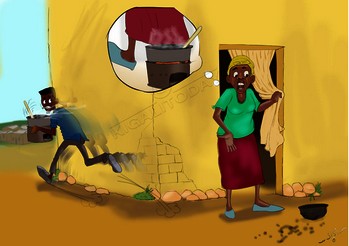
Abajura ntibakigira isoni zo guterura n’inkono!

KwibwaKubera inzara ikabije, ubujura buraca ibintu mu turere twose tw’u Rwanda.Yaba inka, amagare n’amabanki, ntacyo Bene Ngango bagarukiraho. Muri Kigali ho ntibatinya no kwandurukana inzugi ngo bibonere cash. Bamwe babimenya bucyeye, umuyaga wabakubitaga bakagira ngo ni imbeho yabaye nyinshi. Bizagarukira he?

P.B

France and UK are rich because of wealth stolen?

IF you get involved in online debates about economic history, it won’t be long before someone tells you that the West is rich because it stole the resources of the regions it colonised. This stolen-wealth theory is cited as the reason the U.K. and France are rich today, while Ethiopia and Burundi are poor.

It also is sometimes used to argue that global capitalism is inherently unjust and that wealth must be radically redistributed between nations as compensation. The problem is, the stolen-wealth theory is wrong.

colonisés

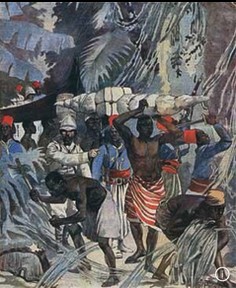
Oh, it’s absolutely true that colonial powers stole natural resources from the lands they conquered. No one disputes that. And at the time, this definitely made the colonised regions a lot poorer.

The U.K., for example, caused repeated famines in India by raising taxes on farmers and by encouraging the cultivation of cash crops instead of subsistence crops. That is a pretty stark example of destructive resource extraction. It’s also probably true that this stolen wealth helped much of the West get rich.

Limits of stolen-wealth theory

Of course, Western countries didn’t simply consume the resources they plundered—the global economy isn’t just a lump of wealth that gets divided up, but rather relies on the productive efforts of individuals, companies and governments.

The U.K., for example, was able to industrialise not by consuming spices confiscated from India, but because its citizens invented power looms and steam engines and other technologies, and because its people worked very hard at factories and plants that used those technologies.

But steam engines and power looms and other industrial machinery required raw materials like coal and rubber as inputs. When those materials became less expensive, it became cheaper to substitute machines for human labour. That means that some of the resources stolen from colonies probably did give Britain and France part of the boost they needed to jump-start the industrialisation that eventually made them wealthy.

colonisateur

‘The U.K. and France would have gotten rich without plundering Africa, India and Southeast Asia. All of that violence and conquest was probably for nothing’

So if the West did steal resources from colonised nations, and if this theft did help them get rich, why do I say that the stolen-wealth theory is wrong? I say that because the theory doesn’t explain the global distribution of income today.It is no longer a significant reason why rich countries are rich and poor countries are poor.

The easiest way to see this is to observe all the rich countries that never had the chance to plunder colonies. Germany, Italy, Sweden, Denmark and Japan had colonial empires for only the very briefest of moments, and their greatest eras of development came before and after those colonial episodes. Switzerland, Finland, and Austria never had colonies. And South Korea, Taiwan, Singapore and Hong Kong were themselves colonies of other powers. Yet today they are very rich. They did it not by theft, but by working hard, being creative, and having good institutions.

The resource curse

Meanwhile, poor countries have long since taken control of their natural resources. State-controlled oil companies in countries such as Saudi Arabia, Venezuela, Iran and Russia own far more of the world’s oil than do giant Western corporations like Exxon or BP.

African countries control their own mines, and Latin American countries their own crop land. The era of resource theft by rich countries is over and done. Yet still, somehow, these countries are not very rich. Only a small handful of tiny nations whose economies are based on natural resources—Brunei, Kuwait and Qatar among others—are actually rich. Most are poor, despite controlling all of their own wealth. This sad fact is known as the resource curse.

So it’s unlikely that resource-rich countries would have become industrialised but for the depredations of colonialism. And it seems quite possible that colonial nations such as France and the U.K. would have gotten rich without their resource plunder, as did Germany, South Korea, Switzerland and Taiwan.

Deadly colonialism

Colon

Does that mean colonialism was a benign institution? Definitely not. At a bare minimum, the tens of millions killed by colonial conquests and famines leave an indelible stain on the West. And while colonialism had benefits in some places, in many others it left a nasty legacy that is felt to this day. Many economic studies show that regions where colonizers focused on extracting resources were later cursed with pernicious political institutions. Those regions, even today, exhibit poor economic performance.

So colonialising nations did steal resources, and it did hurt colonies by doing it. But the real tragedy is how unnecessary that all was. The U.K. and France would have gotten rich without plundering Africa, India and Southeast Asia. All of that violence and conquest was probably for nothing.

Source:Noah Smith, former-african-colonies-arent-poor-and-france-uk-rich-because-of-wealth-theft
Epiphania yasuye Emmanuel kwa Noheli

blinkie_022

Ku itariki idakuka,Abagatolika n’abandi batari bake bizihiza isabukuru y’ivuka rya Yezu kuri Noheli.Uwo munsi mukuru ukabahuza ukabahuruza. Naho abakristu b’aho izuba rirasira (Orthodoxes)bo bizihiza Noheli kuri uyu munsi Imana yemanga abami n’ibikomangoma bagakenyerera kujya kuyiramya.

Abongabo bagenda babukereye nk’umwari ugiye gusura umusore akunda. N’iyo atazi neza umujyi, ntiyibagirwa number y’umukunzi. Ngiyo inyenyeri ibayobora mpaka bagezeyo. Ibyishimo byabo si nk’iby’abami(nka ba Herodi), ni nk’iby’uwo mwari babanza kuzengurutsa inzu yose n’ibiyitatse agashyitsa umutima mu nda.

N’iyo agiye gutaha afata indi nzira ngo atarangazwa n’abagenzura. Nguwo Epiphania(Ukwigaragaza-kwa-Nyagasani)wasuye Emmanuel(Imana-turi-kumwe)ngo bagaragarizanye uko Imana yabagiriye ubuntu. Umusore abirebye, umutima wose usabagizwa n’ibyishimo umujyi wose ukwiye kumenya. Tubizirikane mu isomo rya mbere ryo kuri iki cyumweru(Is 60,1-6).[Uwabishobora yakomereza ku Ivanjili(Mt2,1-12)]

« Haguruka ubengerane Yeruzalemu!
Kuko urumuri rwawe ari nguru,kandi ikuzo ry’Uhoraho rikaba rikurasiyeho.Nyamara dore umwijima utwikiriye isi,n’icuraburindi ribundikiye amahanga,ariko wowe,Uhoraho azakurasiraho,n’ikuzo rye rikubengeraneho.Amahanga azagana urumuri rwawe,abami basange umucyo ukurasiyeho.

Kebuka impande zose, maze witegereze:dore bose barakoranye, baje bakugana, abahungu bawe baturutse iyo bigwa, n’abakobwa bawe baje bahagatiwe. Nuko uzabirebe maze unezerwe, umutima wawe wisimbize, utaratswe n’ibyishimo, kuko ari wowe bazazanira ubukire bwo hakurya y’inyanja, n’umutungo w’amahanga ukazataha iwawe. Amashyo y’ingamiya azakuzuranaho, ingamiya zikiri nto z’i Madiyani n’i Eyifa; abantu bose b’i Saba bazaza, bikoreye zahabu n’ububani, kandi baze baririmba ibisingizo by’Uhoraho ».

blinkie_050

Twibuke ko kwa Noheli ibyishimo bikomeza kugera ku cyumweru gitaha(Batisimu ya Nyagasani).

Bonne fête encore

P.B

Today, happy day

Tubyine

Today,Happy Day
The New Year,Happy Day.

To fathers,Happy Day
The New Year,Happy Day
To mums,Happy Day
The New Year,Happy Day.

Children,Happy Day
The New Year,Happy Day
To neighbours,Happy Day
The New year,Happy Day.

uburumbuke

We wish you Umwaka Mwiza
We wish you Umunsi Mwiza
To all,Happy Day
.
 

Africaines

Que cette Année soit pour vous
Pleine d’espérance et de paix
For Happy Day.

P.B

Ibyiza byo gusomana inseko ikeye

Gusomana ntibinyura  gusa abakundana basohokana muri week-end. Ngo burya ni inyongezo ku rukundo rw’abashakanye

Gusomana1

Gusomana bifite imizi iva kure. Si igitangaza ko umwana arira agahogora maze nyina yamusoma ahantu, agaceceka, agasimbuka, agaseka. No ku basomana bisa n’ibyo. Bikarushaho iyo buri wese yishimiye mugenzi we(atari mu marira cyangwa ay’agahinda). Mbese nko mu ntangiriro z’umwaka.

Ubushakashatsi bukomeje kwerekana ko gusomana bifitiye umubiri akamaro katari gake. Ngo ni nko gukora siporo ukunda. Ariko byose birategurwa, kugira ngo utavuna igufa cyangwa ukabangamira abandi mu nzira. Muri iyo nzira, agahugu umuco akandi uwundi.

Iyo umuco ubibuza

Imico myinshi ibona iki gikorwa cyo gusomana nko gutandukira. Abongabo  bibwira ko ntahandi kiganisha uretse ku busambanyi. Nta n’uwavuga ko baba bibeshya. Gusa iyo bigeze aho, bihita  byitwa kirazira. Yewe n’ibyo abandi bagira nk’indamukanyo bigahinduka ibishizi by’isoni. Nyamara iyo umuco ubibuza, ntibibuza umubiri kugira ibicuro. Na byo bigira ikibimara.

Mu Kinyarwanda, biragoye kumva neza no gutandukanya « bisou » na « baiser ».Abongereza bo barabishoboye babyita « french kiss » kuko gusomana kw’Abafaransa bikoranwa umucyo ufite imirasire igera kure mu mubiri ihereye ku rurimi.

Aho bikura umubiri

Nk’uko tubikesha Topsante.com, ngo umunota umwe wa « bisou » itanganywe umutima mwiza, ni umuti ukomeye. Bikura umubiri kure! Bifasha umutima gutera neza(tension artérielle), bikanatera kuruhuka mu mutwe(relax). Ngo ni yo mpamvu amaso aba yagiye nk’ayatwawe n’ibitotsi.

kiss3

Ngo byongera kandi umwuka mu mubiri(oxygène), bikawugabanyiriza n’ibinure. Birinda na none indwara zo mu kanwa(kuko buri wese yirinda icyazanamo impumuro mbi), bikanatuma imitsi y’umunwa n’iy’ururimi ikora neza(glandes salivaires).

Inyongezo ku bashakanye

Gusomana ntibinyura  gusa abakundana basohokana muri week-end. Ngo burya ni inyongezo ku rukundo rw’abashakanye. Igitabo cy’Indirimbo Ihebuje(Cantique des cantiques de la Bible)kibikomozaho ahantu henshi: « …Reka amabere yawe ambere nk’amahundo y’umuzabibu, umwuka wawe umbere nk’impumuro y’amapera, n’akanwa kawe nka divayi yahebuje…yisuke igana uwo nkunda, itembe ku minwa y’abahunikira. Ndi uw’uwo nkunda kandi ni jye ararikira »(Indir.Iheb.7,9b-11).

Iminwa y’abashakanye uko ihura kenshi ntagusahuranwa, bigaragaza ibyo bahuriyeho(attachement et liens sociaux). Naho iyo urukundo rwatangiye gukonja, baterana imigongo. Namwe icyo gikorwa nigitangira kuba iyanga, muzicare mwibaze!

kiss2

Akarusho ku mugore utwite

Ku mu gore utwite byo ngo ni akarusho kuri we no ku mwana uri munda. Bigaragaza ko ibintu bitabaye bibi kandi ko umwana bamwishimiye. Ntiyaje ari Gatanya. Bityo impumuro y’urukundo rwabo na we ikamugeraho.

kiss1

Inseko y’amajigija

Ngo ntibigira imyaka!Ibikwerere n’amajigija barinda barenguka bagifite akanyamuneza iyo badasiba kubwirana rya jwi rya Karabo na Gikundiro. Maze akuzuye umutima kagasesekara ku munwa. Muri icyo gihe, buri wese yiruhutsa nk’uwirutse kilometero zitari nke ataruhije amaguru. Nuko bombi bagasazana inseko itagabanije.

Mbifurije gusoza neza uyu mwaka no gutangira undi mwishimye.

P.B

L’homme et la femme: la galère!

Famille

A la fête de la Sainte Famille
On questionne sa santé
Et la solidité de ses membres.
La réponse vient des supérieurs
Que sont le père et la mère
Dont les velléités ne font pas d’ombre.

Quels soucis ne les ont-ils pas tentés
Pour sortir de la galère?
Dans le bain de la foi
L’enfant était roi.
En toute confiance
Il menait la danse.

Mais maintenant
Ses questions qui les dépassent
Captent tous les regards.
On s’apercevra un peu tard
De la force de son intuition:
Il avait senti le vent de la dislocation.
C’est étonnant.
Inhabituelle est leur situation.

Pour le meilleur et pour le pire
C’est la faiblesse du serment
Bon pour le mois de miel.
Dans le malheur et dans la misère
On n’ose plus se le dire;
On accuse le ciel
Dans son jeu de calmant.
Pourquoi?

Quand on croyait encore
Que l’homme et la femme
Sont une créature divine
Leur relation se fondait
Sur ce que l’autre ignore.
Tous étaient dans la même aventure
Pour une vie sublime
Que le hasard fécondait.

On se liait par des alliances
Ancestrales ou familiales
Et on se mariait
Pour la descendance
Nombreuse ou heureuse.
Si deux ne faisaient qu’un
Leur unité était leur atout
Mais le tout n’a donné que la toux.

Cette croyance venant à sa fin
Chacun s’est fait ses dessins
Et à dessein prit sa route.
Les liens se sont déliés.
Comme une pirogue loin des rives,
C’est la navette en dérive.

La vie de couple s’arrête là.
On conjugue les temps composés.
Le présent s’évapore.
Il est à refaire.
Chacun prend sa randonnée
De l’idée qu’il faut abandonner:
Être père et mère
Et garder même demeure..

Extrait du livre :Face au monde des sans

Prière pour la sainteté de nos familles réciproques.

P.B

C’est Noël, réveille-toi

IMG_20151224_174151

C’est Noël,réveille-toi
Toi qui as fait de Noël
La fête de la consommation
En ne suivant que la tradition
Aux antipodes de l’Emmanuel.

C’est Noël réveille-toi
Toi qui brûlas d’envie
De recevoir tant de cadeaux
Alors que tu n’as pas d’amis
Qui allègent ton fardeau

Nul besoin d’être un fantassin
Chante avec Claude TASSIN:
R/ C’est Noël réveille-toi
Entre dans la fête!
C’est Noël réveille-toi,
Dieu s’en vient chez toi.

Toi l’infirme sur ton lit
Entre dans la fête
Aujourd’hui tu vas danser
Dieu s’en vient chez toi!

Toi qui es resté muet
Entre dans la fête
Chante-nous le chant nouveau
Dieu s’en vient chez toi!

Toi qui marches tout courbé
Entre dans la fête
La jeunesse t’est rendue
Dieu s’en vient chez toi!

Joyeux Noël à tous,
Joie et paix sur la terre
Et dans nos cœurs

P.B

Ishyano riragwira: Muganga yanyandikiye amazi

Abakurambere barabivuze kuva kera ngo ubuzima ni nk’amazi, buraseseka ntibuyorwe..!

Akamaro k'amazi

Mu bihe by’iminsi mikuru, abantu benshi bazinukwa amazi. Buri wese aba yishakira agatama gahiye kandi kamunyura umutima. Mateso we ejobundi yahuye n’uruva gusenya. Yari amaze iminsi umutwe umurya byasaze, asepfurwa, adahina umugongo n’impatwe rugeretse. Yari ameze nk’abagabo batari bake; ngo amazi abatera ikirungurira. Kuyageza ku munwa bikaba intambara.

Bitewe n’uko Mateso yari yaratanze Mitiweli, yigiriye inama yo kujya kwa muganga. Yabikoze mu rwego rwo kugaruza, dore ko ubundi atajyaga arwara kandi umwaka ukaba warugiye gushira.

Ageze mu isuzumiro, Muganga amutera ibipimo byose, arumirwa. Ati « Ko mbona umubiri wawe wumiranye, uherutse kunywa amazi ryari, Mate? » Mateso, ati « Niba ari amazi bugezi, nyaherutse mama ayampa mu gikoma pe! Kuva nacuka nayacitseho. Nta mugabo wo kunywa amazi, Muga! »

Muganga,  ati  » Ubuzima bwawe buri mu mazi rero! » Mateso ati « Muga, urashaka kuvuga ko buri mu mazi abira se? » Muganga  ati « Buri mu mazi afutse, ariko utitonze wabushyira mu mazi abira; umubiri wawe umeze nk’inkono igiye gushirira ». Mateso, ati « Iby’inkono zishirira ko bimenywa n’abagore ra?!  » Muganga  ati « Ubivuze neza. Umugore wawe agomba kubigufashamo, akazana amazi! »

Amazi ya Nil

Muganga arakomeza,  ati » Dore rero umuti nkwandikiye: Litiro y’amazi ya Nil cyangwa ya Huye;nukuvuga ibirahuri 6 buri munsi. Cyangwa uducupa 3 nk’utungutu:kamwe mu gitondo, akandi mu masasita, akandi nimugoroba. »

Mateso ahita yiyamira  ati  » Ishyano riragwira! Ukanyandikira amazi mwana wa! Abaganga b’iki gihe murasetsa! Unaniwe kunyandikira agashinge, nawe ngo amazi?! Na mugenzi wawe ubushize yambwiye ibyo bintu by’amazi, nayageza ku munwa isesemi ikabira! None nsanze mwese muri kimwe. Cyangwa ni inganda zanyu muba mushakira isoko!Uzi ko icupa ry’amazi ya Nil rigura kimwe na Gahuza, 600 frw? »

Amazi n'imboga

Muganga ati « Mateso we, n’ubuzima na bwo burahenze ». Nuko akingura amadirishya, ati « Egera hino; reba bariya ba mukererugendo b’abazungu. Kuki bitwaza amazi bakagenda bayanywa?..Ayo nakwandikiye nta sesemi atera; ni yayandi asimbagurika(eau pétillante) akagira n’imyunyu-ngugu umubiri wawe ukeneye. Ikindi nuko umugore wawe azarushaho gutegura ibiryo birimo imboga n’imbuto biherekeza ayo mazi. »

Mateso ataha yivugisha ati « Kologati yanjye yari Primus, nkiyunyugurisha ka Warage, maze umunsi wose nkirirwa ndi iberege. None Muganga ngo amazi pe! Reka nihute mbikubite Kabatesi numve icyo abivugaho. »

Akigera ku irembo, Kabatesi aza amusanganira, ati « Ko watinze kwa muganga ni amahoro? Narintangiye kugira ubwoba ngo bakwinjije ibitaro. » Mateso ati « Ntaho bitaniye. Umuntu w’umugabo bandikira amazi nk’umuti, n’imbuto  n’imboga nk’abana! »

Kabatesi  ati « Sinajyaga mbivuga ngo amazi yabaye make ukancyaha ngo ni iby’abagore!Naho ibindi, zana urwo rupapuro Muganga yaguhaye, nzajya mbitegura uko yabyanditse. Wabona iyi minsi mikuru igeze ntawe ugitaka umutwe, dore ko nanjye imiravumba yari yanze kunkiza. »

Akamaro k'amazi 2

Mateso ati « Ngaho reka twisungane tuyasangire, naho ubundi ndi njyenyine ntiyamanuka. Kandi ngo asimbagurika ni yo yinjira neza. Mbese n’abashyitsi bazasange dusigaye twunywa amazi nk’abazungu! Ariko se buriya bazanywa agahiye nkanuye amaso ra?

Akamaro k'amazi 1

Kabatesi , ati « Nukuyafatisha amaboko yombi, naho ubundi abakurambere barabivuze kuva kera ngo ubuzima ni nk’amazi, buraseseka ntibuyorwe ». Uwakwishinga iminsi mikuru yayora ishingwe!

By P.Protogène BUTERA

C’est bientôt Noël

Ce n’est pas la sauvegarde du patrimoine qui importe. C’est un trésor à entretenir….

IMG_20151217_121425

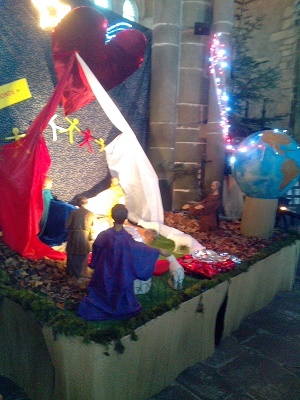
Les crèches, bien décorées,sont dans toutes les églises. Dans certains endroits, elles sont vivantes. Elles ne sont pas absentes dans quelques lieux publics et dans les maisons familiales.

Là où la fête de Noël est plus laïque que chrétienne, les crèches sont nombreuses tant dans les bâtiments publics que commerciaux. Leur présence alimente les polémiques et renforce le retour à la source.

Ce n’est pas la sauvegarde du patrimoine qui importe. C’est un trésor à entretenir. Les marchés de Noël sont montés. La beauté des sapins se concurrence par l’attrait des prix. Les offres de cadeaux sont légion. Les « Rebelles de Noël »se poseront cette question: « Noël, fête de la consommation? »Où sera la place de la foi en tout cela?

Crèche municipale

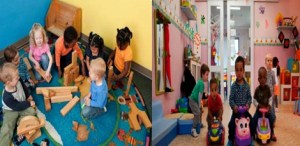
Par ailleurs, cette tradition millénaire a fait naître les crèches municipales et communales. Les rois et les mages adoraient l’Enfant Jésus dans le mangeoire. Les communes et les villes(autorités locales)ont créé des crèches ou garderies pour les enfants du terroir.

L’entant Jésus était entouré et on lui apportait des offrandes de tout genre. Ces crèches ont des financements et les besoins des enfants sont satisfaits ou atténués. Le Christ inspire ainsi la volonté politique.

Iri Jambo ry’Imana ryo kuri iki cyumweru ryadufasha kubyumva:Heb.10,5-10
« Igihe Kristu aje ku isi yaravuze ati « Ntiwanyuzwe n’ibitambo n’amaturo, ahubwo wampangiye umubiri. Ntiwanyuzwe n’ibitambo bitwikwa bihongerera ibyaha; nuko ndavuga nti’Dore ndaje, kuko ari njye uvugwa mu muzingo w’igitabo, ngo nkore ugushaka kwawe, Dawe’Umva ko abanje kuvuga ati »Ntiwanyuzwe cyangwa ngo ushimishwe n’amaturo n’ibitambo bitwikwa », bihongerera ibyaha, nyamara biturwa uko biteganywa n’Amategeko! Hanyuma akongeraho ati »Dore ndaje ngo nkore ugushaka kwawe ». Ni uko yakuyeho uburyo bwa mbere bwo gutura, ashinga ubwa kabiri.Ni ku bw’uko gushaka kandi twatagatifujwe n’ituro ry’umubiri wa Kristu ryabaye rimwe rizima »

Iminsi mikuru myiza kuri mwese, aho Amategeko n’uburyo bushya bifasha abana kugira umubiri muzima.

P.B

Villes africaines sous le choc des inondations

Presque toutes les villes pleurent leurs morts. A cause des pluies diluviennes, les infrastructures délabrées sont transformées en rivières.

Certaines villes africaines attendront beaucoup de l’Accord universel sur le climat. Elles attendront qu’il parvienne à résorber les malheurs chroniques qui les assaillent; qu’il établisse un équilibre vital entre les capitales et les villes aux bidonvilles.

Comme si elles étaient sur une autre planète,elles attendront longtemps. Le choc des inondations montrera quand ces bidonvilles auront « droit au développement ».

Les habitants de ces villes n’ont-ils pas « droit à la santé » promu dans le Préambule de cet Accord? Voyons-en les pertes humaines restées en laisse et nous saurons s’il y a urgence des mesures vraiment efficaces et adéquates.

En République Démocratique du Congo

Kinshasa inondations

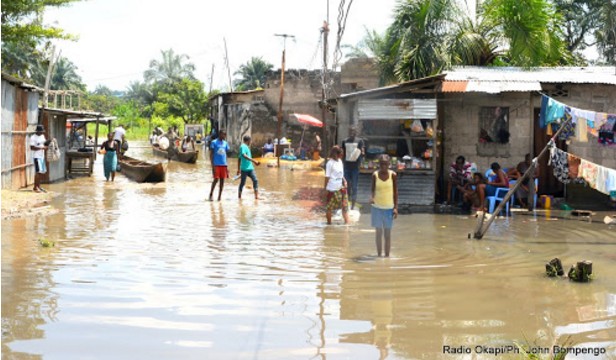
Presque toutes les villes du pays pleurent leurs morts. A cause des pluies diluviennes, les infrastructures délabrées sont transformées en rivières. Même la capitale Kinshasa, longtemps rayonnante, se fait l’honneur de naviguer dans la boue.

C’est comme si tout l’Océan Pacifique venait la visiter à l’improviste, via Matadi. Plus de 31 morts sont déjà recensés.

Bukavu inondations

A l’Est, Sud-Kivu, l’accusé ne sera pas condamné. Les constructions en désordre jouent les circonstances atténuantes. Les pluies n’ont que déclenché l’effondrement. Elles ont entrainé 18 morts à Bukavu et 8 à Kalehe.

Seul Kisangani n’a que 468 maisons inondées, dans le quartier Boyoma, commune Makiso. Mais, selon la même source, les communes de Mbanza-Ngungu, Boma, Kabondo n’ont pas échappé à l’ire de la rivière Kalamu. Ainsi, ce 12 décembre 2015, Congo Central comptait 9 morts.

En Tanzanie

Tanzanie inondations

Les fortes pluies mêlées de grêles et de vents violents ont frappé le nord de la Tanzanie. Il y eut 38 morts dans le District de Kahama, région de Shinyange, au sud du lac Victoria. 82 personnes sont blessées et 3500 affectées par ces intempéries.

Au Madagascar

Madagascar

Antananarivo, la capitale de Madagascar, et d’autres villes, sont menacées. Les infrastructures ne résistent plus à la montée des eaux. Outre les tempêtes  et les cyclones, les pluies abondantes ont fait 19 morts et 60 000 sinistrés.

Au Malawi

Malawi inondations

Cette année 2015, Lilongwe, la Capitale de Malawi, n’a pas eu de répit. Plus de 176 personnes sont mortes, 153 disparues ,englouties par les inondations. A Chilobwe non loin de Blantyre, la capitale économique, on y a retrouvé 4 corps inanimés. 200000 déplacés sont sous la perfusion des aides internationales.

Au Rwanda

Huye inondation

Alors qu’il est souvent secoué par la sécheresse, le District de Huye(ancienne préfecture de BUTARE)a été foudroyé par les pluies torrentielles. Dans la nuit du 11 décembre 2015, la vague des eaux a ravagé la Cellule de Sovu en passant par Gahenerezo et Rwamabuye de Mbazi.

Selon les autorités locales, on a dénombré 3 morts dont un enfant de deux ans et plusieurs dégâts matériels. Dans d’autres Districts du pays des Mille collines, on a dénombré 31 morts, 57 blessés et 933 foyers gravement affectés par les fortes précipitations.

Les États et les gouvernements devront faire plus d’efforts pour que ces populations retrouvent et mènent une vie digne.

P.B

When 50% of Burundians, Eryteans, Malagasiers and Rwandese will be shortest people in Africa

In some African countries, stunting is so prevalent that, considering the statistics today, 2030 almost half of the young adult population will be shorter than they should be.

Instead of some encouraging results, levels of hunger in the developing world have declined by more than one-quarter since 2000, there are still some big shocks – 795 million people still go hungry and more than one in four children are affected by stunting.

In a Nutrition Overview, the World Bank explains how undernourished children are more likely to die in the first few years of life. If they survive, they have lower educational and income attainment. Similarly, stunted children are more likely to start school later, perform more poorly on cognitive functioning tests, and are more likely to drop out of school.

Studies also showed that adults who are stunted as children earn 20% less than comparable adults who were not stunted and are 30% more likely to live in poverty and less likely to work in skilled labour. Thus, the economic costs of undernutrition, in terms of lost national productivity and economic growth, are significant – ranging up to 11% of the GDP in Africa each year.

In some African countries, stunting is so prevalent that, considering the statistics today, 2030 almost half of the young adult population will be shorter than they should be.

Looking at the B>four worst performers – Burundi, Eritrea, Madagascar and Rwanda – while the Global Hunger Index didn’t go into reasons why they performed so badly, here’s a quick analyses of why almost half of the population is just not as tall as it should be:

Burundi

Bwaki Burundi

Burundi has a very densely packed population. The vast majority rely on agriculture and are very vulnerable to climate hazards. Limited land access and limited crop diversity means that rising costs of food will affect nearly everyone, for example, the price of beans increased by nearly 50% in recent years – and the average household now spends over 70% of its income on food.

Another contributing factor is poor infant-feeding practices during an important transition period to a mix of breast milk and solid foods between six and nine months of age. In Burundi almost one in eight children are not fed appropriately with both breast milk and other foods.

Eritrea

Bwaki Erythrée

In Eritrea low land productivity is a key factor in stunting. Currently, the cultivated area is estimated at just 672,000 ha of which over 90% is under rained subsistence farming using traditional systems. Generally yields are very low and crop failures occur on average from 1 in 3 years to 1 in 5 years due to frequent erratic rainfall. Severe land degradation further reduces the land’s productivity. The total livestock population is high but productivity is low due to shortages of feed and water, and problems with pests and diseases.

Stunting is also attributed here to unsafe water and poor sanitation; access to sanitation in rural areas stands at 14%, which contribute to repeated diarrhea diseases leading to malnutrition.

Madagascar

Bwaki Madagascar

In Madagascar the driving force of stunting is a lack of money. About 76.5% of the population lives in poverty, this means that most people are unable to afford adequate nutrition. Children’s diets typically consist of only rice and root vegetables suffer from malnutrition.

Although many children consume enough calories, they have trouble growing because their diet consists almost exclusively of rice, to which cassava or a salty soup may be added and, if the family has enough money, some fatty meat.

Rwanda

Bwaki

A key issue for Rwanda’s stunting problem relates to the mothers and their lack of education on feeding and weaning. Though rates of stunting has decreased over time, the mothers’ levels of education have a clear inverse relationship with the prevalence of stunting.

Also, again relating to the mother, when pregnant women do not have appropriate nutritional intake during pregnancy, and children do not receive the foods, feeding and care required for normal growth during their first two years chronic malnutrition occurs.

Data on Rwanda shows the situation of child stunting in 2013 remained serious with the highest rates (58%) among children 6-18 months of age. Almost 15% were found to be stunted at two months which indicates a poor growth of the foetus during pregnancy.

P.B

Source: By 2030 about 50% of Burundians..

Koko se Kigali ntizongera kubura amazi?

Kimwe n’indi mijyi yose yo mu bihugu bikennye, imigezi iratemba igatwara amazu, imvura yaza igahitana abantu n’ibintu ntihafatwe ibyemezo byo gukumira umwanzi no guhana bihanukiriye uwo munyamakosa.

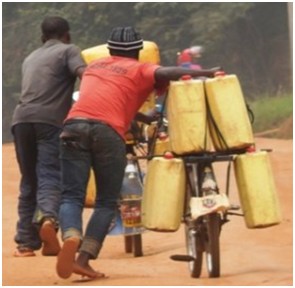
Amazi1Igihe kiragera abatuye Kigali bagakubitika. Izuba rirarasa bigasa n’aho isi yahindutse Sahara. Ubwo abasore b’inkorokoro bakaronkera amaronko mu gutunda ibijerekani by’amazi, igiciro kikubye kabiri.

Kera kabaye imvura yagwa, umujyi wose ugasa n’uwubatse munsi y’inyanja, nk’uko ibihugu bimwe na bimwe nk’Ubuholandi(Pays-Bas)bimeze. Nyamara aba bo ayo mazi yababereye igisubizo.

Kimwe n’indi mijyi yose yo mu bihugu bikennye, imigezi iratemba igatwara amazu, imvura yaza igahitana abantu n’ibintu ntihafatwe ibyemezo byo gukumira umwanzi no guhana bihanukiriye uwo munyamakosa.

Abo bigiraho ingaruka,ni bo basubira inyuma bakabiryozwa.Ahubwo burya baba bakwiye gushumbushwa mu bufatanye(réparation ou indemnisation par solidarité)mu gihe bataragera ku bwishingizi.

Ku bijyanye n’ibura ry’amazi, birakwiye kwibaza niba bitari nka bwa bwenge bw’abavunjayi bacunga uko isoko ry’amadevize riteye bakayabika kugira ngo buke bazamura ibiciro.

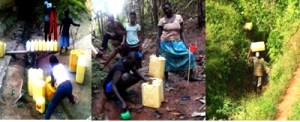
Igiteye agahinda, ni abaturage batanga amafranga yitwa ay’amazi buri kwezi,nyamara ntibabarirwe igihe gishira batayabonye n’igihe batakaza bategereje. Ngo hari n’abasiga robine yarumye, bagakora urugendo rw’isaha bagiye gushaka amazi ikantarange. Rimwe na rimwe bakayakura iyo mu manegeka aho usanga nta suku n’umutekano biharangwa.

Mu bice bimwe na bimwe, hari ubwo ijerekani y’amazi ya Wasac(Ikigo gishinzwe gusukura no gutanga amazi)igurishwa 300frw cyangwa 500frw ku muturage uyagejejweho n’abanyamagare bakoze ibirometero nka 20. Ku bera iyo mpamvu, mu ngo zimwe na zimwe, uwoze litiro 1 y’amazi yitwa umukungu udasesagura.
Amazi2Nko mu Gatsata na Nyamirambo, impeshyi hari abo yumvishije abandi babiboneramo akazi ko kwikorera amajerekani arenze abiri(40L), kuko hari ubwo ijerekani igeza kuri 1000frw. Icyo gihe, hari abadatinya kubishoramo imodoka zishoboye imisozi ngo bakorere icyo cyashara.
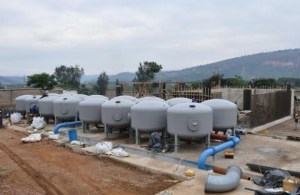
Wasac n'amaziUbwo Wasac yemeza ko mu minsi iri imbere(umwaka utaha wa 2016), amazi muri Kigali azaba yikubye hafi kabiri(avuye kuri metero kibe 65000 akagera 120000 ku munsi), twizere ko bitazakomeza kuba ibya wa mugani ngo « iyo amazi abaye make aharirwa imfizi ». Naho abaturage bakifata mapfubyi, ngo « Ubuze uko agira agwa neza ».

P.B